


From Novice to Legend: Your 30-Day Path to Esports Stardom
The dream of becoming an esports professional, transitioning from casual gamer to a revered legend, captivates millions worldwide. In the burgeoning landscape of competitive gaming, this aspiration often appears daunting, a distant pinnacle reserved for a select few with innate talent. However, this article posits that beneath the surface of seemingly effortless skill lies a structured, disciplined pathway, ripe for in-depth exploration and achievable progress within a focused timeframe.
Esports has exploded into a global phenomenon, boasting multi-million dollar prize pools, massive viewerships, and dedicated fan bases, cementing its status as a legitimate competitive arena. Its importance extends beyond entertainment, offering lucrative career paths, fostering technological innovation in game development and streaming, and creating vibrant communities. Current developments see increasing professionalization, deeper analytical tools, and debates surrounding player burnout versus relentless practice. Understanding the core components of rapid skill acquisition and sustained performance is key to navigating these advancements and resolving debates about athlete welfare. What impact would it have on our understanding or practice of competitive gaming if we failed to fully comprehend the systematic approach required to truly excel?
Mastering the Fundamentals
Building a Solid Skill Base and Mindset
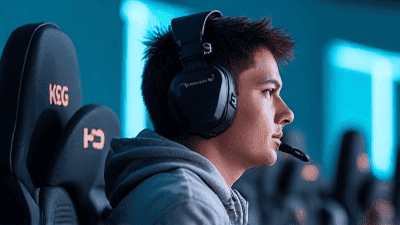
Embarking on an esports journey necessitates a rigorous focus on foundational skills and an unshakeable mental framework. Core mechanics, often referred to as "micro" skills, include precise aim, rapid keybind execution, and efficient resource management. For instance, a high Actions Per Minute (APM) in real-time strategy games (RTS) like StarCraft II, or accurate headshots in first-person shooters (FPS) like Valorant, are not just innate gifts but are meticulously developed through repetitive, targeted practice. This involves setting up custom training drills, using aim trainers such as Aim Lab, and meticulously optimizing peripheral settings. Simultaneously, cultivating a resilient "growth mindset"—the belief that abilities can be developed through dedication—is paramount. This psychological anchor prevents "tilt" (a state of frustration leading to poor performance) and fosters learning from mistakes, turning setbacks into stepping stones. Professional players often spend hours in practice modes, perfecting isolated mechanics before integrating them into complex scenarios.
Elevating Your Game Sense
Analyzing Gameplay, Strategies, and Team Dynamics
Beyond individual mechanics, true esports advancement hinges on superior game sense, encompassing "macro" strategies, tactical execution, and seamless team synergy. This involves understanding the current "meta" (the prevailing strategies and character choices within a game at any given time) and adapting to it or even defining a new one. A crucial practice is Video On Demand (VOD) review, where players analyze their own gameplay or professional matches to identify errors, recognize optimal decision-making, and internalize advanced tactics. For team-based games, effective communication—clear, concise, and timely calls—is the bedrock of coordinated action. This skill is honed through dedicated practice sessions focusing solely on call-outs, objective control, and synergistic ability usage. Just as a conductor directs an orchestra, a strong in-game leader guides their team through complex strategic maneuvers, ensuring everyone plays in harmony.
To illustrate, consider a typical 30-day training regimen breakdown:
| Training Aspect | Day 1-10 (% Time) | Day 11-20 (% Time) | Day 21-30 (% Time) |
|---|---|---|---|
| Mechanical Drills | 50% | 30% | 20% |
| VOD Review/Analysis | 20% | 30% | 25% |
| Scrims/Team Play | 15% | 30% | 40% |
| Physical/Mental | 15% | 10% | 15% |
This table highlights a deliberate shift from heavy mechanical practice in the initial phase towards increasingly complex strategic and team-oriented play as the 30 days progress. The commitment to physical and mental well-being remains a constant, underscoring its non-negotiable role throughout the entire journey. This structured approach, moving from individual prowess to collective intelligence, accelerates the learning curve significantly.
Sustaining Elite Performance

Physical Well-being, Mental Fortitude, and Career Planning
The path to esports stardom is not merely about in-game hours; it demands a holistic approach encompassing physical health, unwavering mental fortitude, and strategic career planning. Prolonged gaming sessions can lead to repetitive strain injuries (RSI) like carpal tunnel syndrome, making ergonomic setups crucial—proper chair, desk, monitor height, and wrist support are vital. Nutrition, hydration, and adequate sleep are as important for an esports athlete as for traditional athletes; they directly impact reaction time, focus, and cognitive function. Many professional teams employ sports psychologists to help players manage stress, anxiety, and maintain composure under pressure, teaching techniques like mindfulness and visualization. Furthermore, aspiring legends must begin considering their long-term trajectory. This includes networking within the community, understanding basic contract principles (e.g., streaming rights, sponsorship clauses), and even exploring content creation to build a personal brand. Legendary players like Lee "Faker" Sang-hyeok are renowned not just for their mechanical skill, but for their incredible mental discipline and professional longevity, a testament to a balanced approach to competitive life.
Conclusion
The journey "From Novice to Legend: Your 30-Day Path to Esports Stardom" is revealed not as an impossible leap, but as a meticulously structured progression built upon dedication and strategic effort. We've explored how a strong foundation in core mechanics and a resilient mindset are paramount, forming the bedrock of any aspiring player's success. This is seamlessly followed by the elevation of game sense through diligent VOD analysis, understanding the meta, and mastering team dynamics. Finally, the article underscored the indispensable role of holistic well-being—physical health, mental fortitude, and thoughtful career planning—in sustaining elite performance. Achieving esports stardom within a concentrated period isn't about magical talent, but about applying a rigorous, multi-faceted training regimen that transforms potential into demonstrable skill, solidifying one's position in the competitive gaming world.
Looking ahead, the esports landscape is poised for even greater innovation and professionalization. We anticipate breakthroughs in AI-driven coaching platforms that provide hyper-personalized feedback and adaptive training programs, further optimizing player development. The role of data analytics will deepen, offering unprecedented insights into individual and team performance, strategy optimization, and even opponent prediction. Challenges will include maintaining player longevity in an intensely competitive environment, necessitating greater investment in athlete welfare, mental health support, and robust career transition programs. Macro scientific policies focusing on sports science application to esports, alongside technological iterations in virtual reality training, and interdisciplinary integration with fields like neuroscience, will shape future pathways. Continued research into human performance optimization within gaming contexts remains crucial, paving the way for the next generation of esports legends.
Frequently Asked Questions (FAQ)

Q: Is 30 days truly enough to become an esports legend? A: The term "legend" typically implies a long-standing career filled with accolades, consistent top-tier performance, and a lasting impact on the game and community. While 30 days is certainly not enough time to achieve that level of sustained mastery and recognition, it is an extremely effective period for laying a robust foundation and initiating significant, measurable progress towards competitive excellence. Think of it as a highly accelerated boot camp. Within 30 days, a dedicated individual can dramatically improve their core mechanics, gain a profound understanding of game strategy, and establish the disciplined habits (both in-game and out) necessary for long-term growth. This intense period focuses on transforming a novice into a highly competitive player with a clear path forward, rather than instantly granting legendary status. It's about building the launchpad, not the entire space station, but that launchpad is essential for reaching for the stars. The aim is to bridge the gap between casual play and a professional mindset, providing the tools and mental framework to continue climbing the ranks beyond the initial month.
Q: What is the most common mistake aspiring esports players make on their journey? A: One of the most common and detrimental mistakes aspiring esports players make is neglecting their holistic well-being and focusing solely on in-game practice hours, often leading to burnout. Many believe that simply grinding for 12+ hours a day is the fastest route to improvement, echoing a "more is better" mentality. However, this often results in diminishing returns, poor decision-making due to fatigue, and increased risk of physical injuries like carpal tunnel syndrome or eye strain. Crucially, it also severely impacts mental health, leading to frustration, anxiety, and a complete loss of passion for the game. Instead of structured, deliberate practice, these players fall into "autopilot" mode, mindlessly repeating actions without critical analysis or specific goals. A balanced approach, integrating proper sleep, nutrition, regular physical activity, and mental health practices (like mindfulness or breaks), is far more effective. Just as a traditional athlete wouldn't train without rest or proper diet, an esports athlete needs to recognize their body and mind as vital tools that require care, not just endless pushing, to achieve and sustain peak performance.